Lily Ann · The Future
Pre-Veterinary Medicine · University of Delaware · Small Animal Veterinarian
The beginning
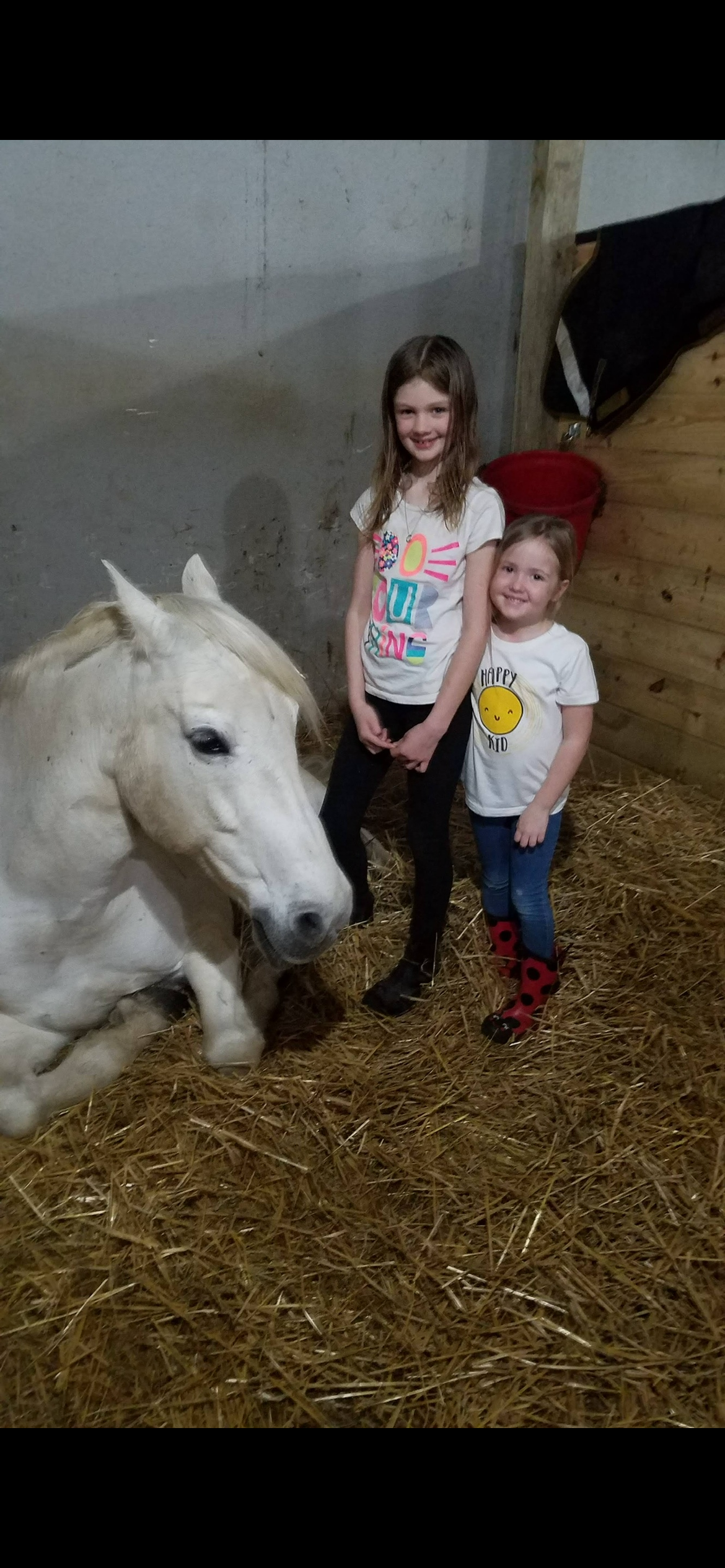
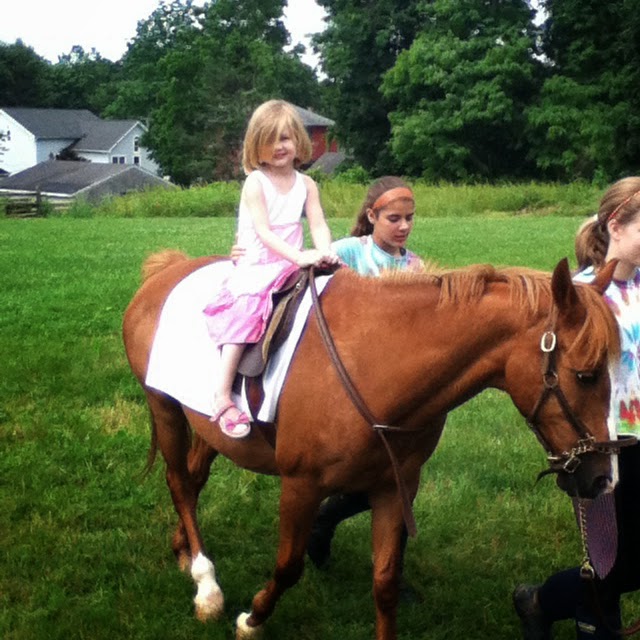
The decision was made long before she could have articulated it. She was four years old, in a pink party dress and sandals, sitting on a horse she had never met — and she was absolutely at home. Not curious in the way a child is curious about something new. At home. Like she had always been there.
That feeling never left. It grew into something deliberate and serious. While other kids outgrew their hobbies, Lily doubled down on hers. She didn’t just spend time with animals — she studied them. She wanted to understand what made each species different, how they communicated, how they worked, what they needed. She wanted to know everything.
She has wanted to be a veterinarian since kindergarten. That was never a phase. It was always a plan.
“The world is full of people who love animals. Lily has been studying them — every species, in every detail — since she was old enough to sit down and write about them.”On who Lily has always been
A life built around animals


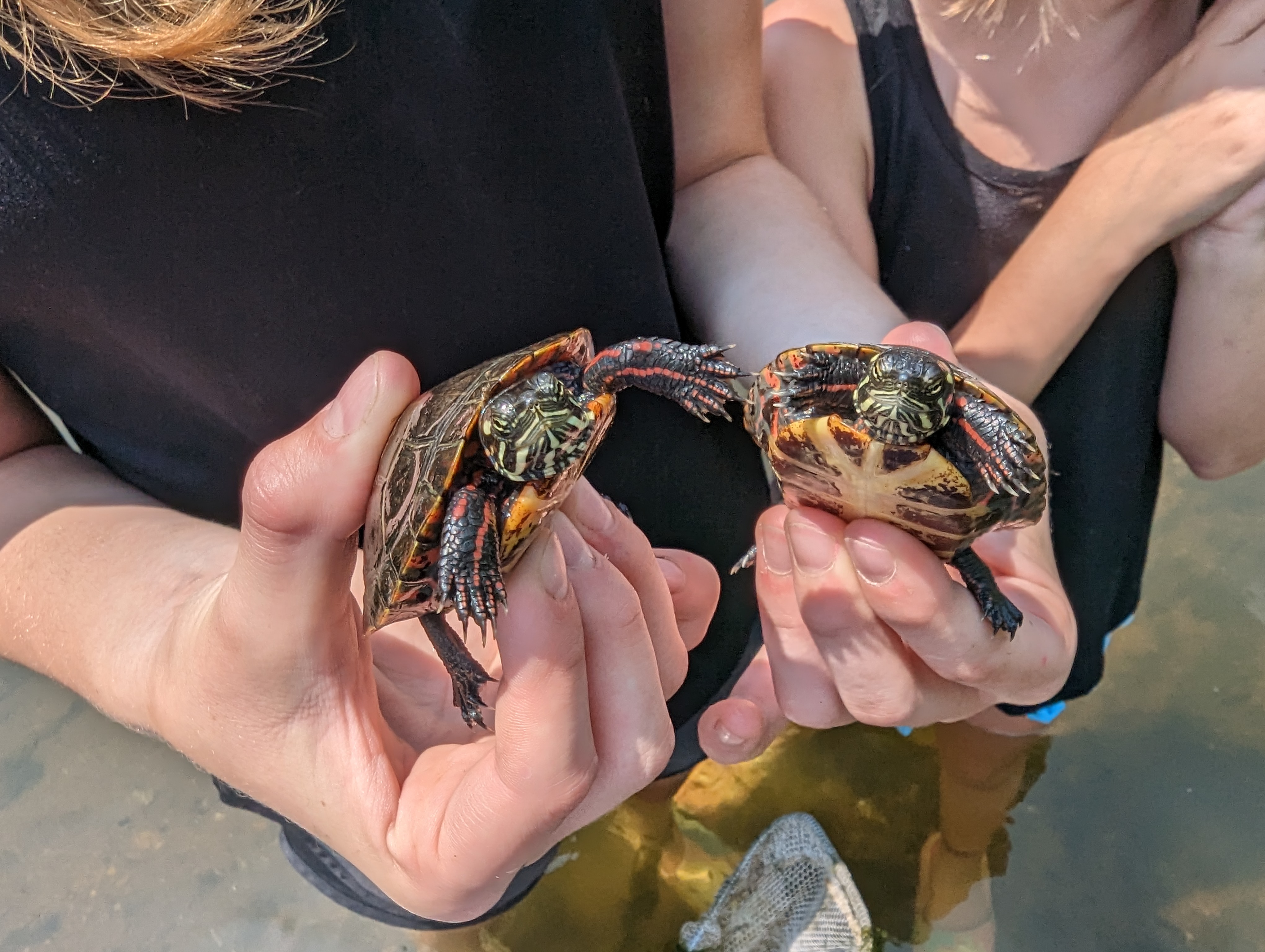
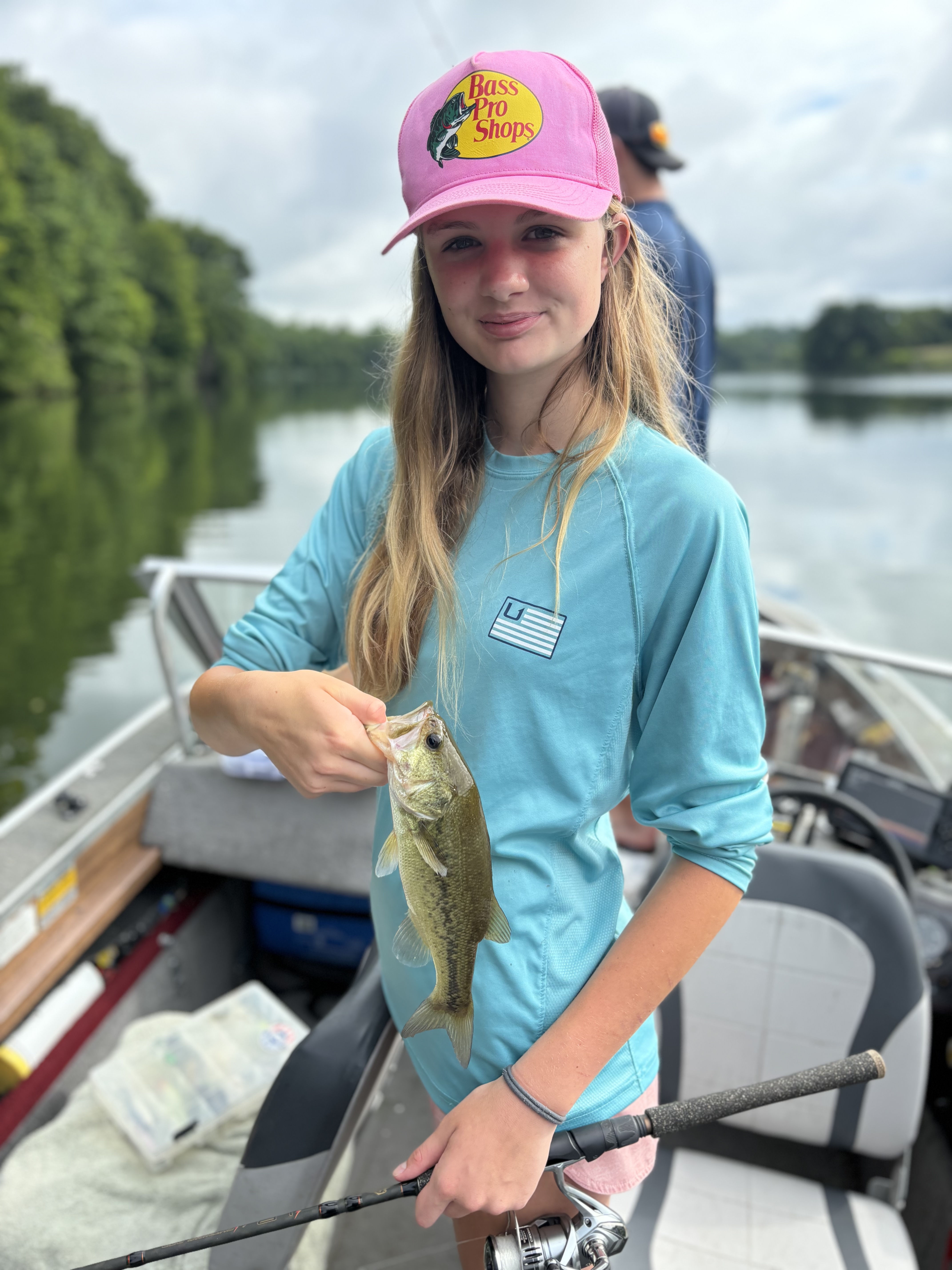
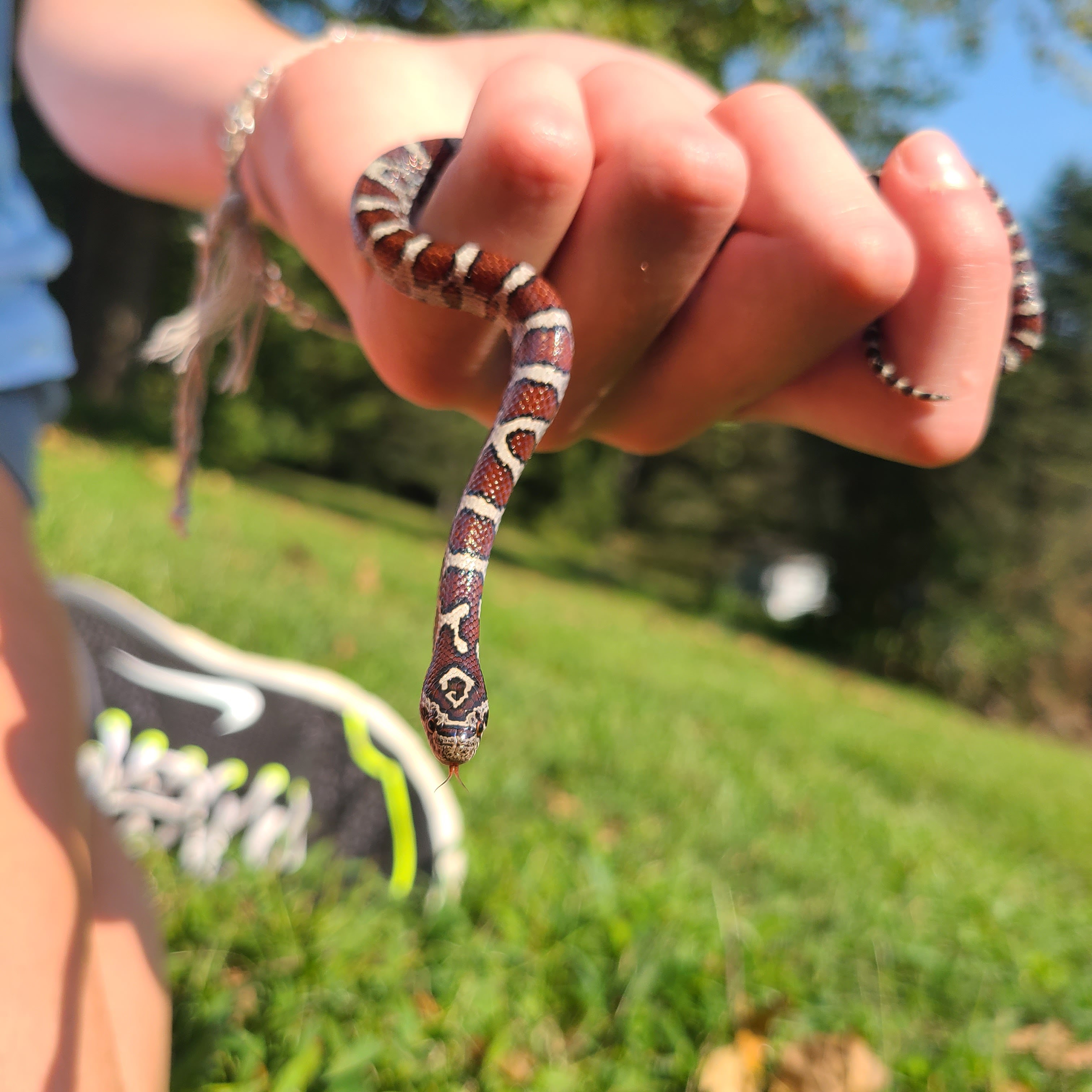
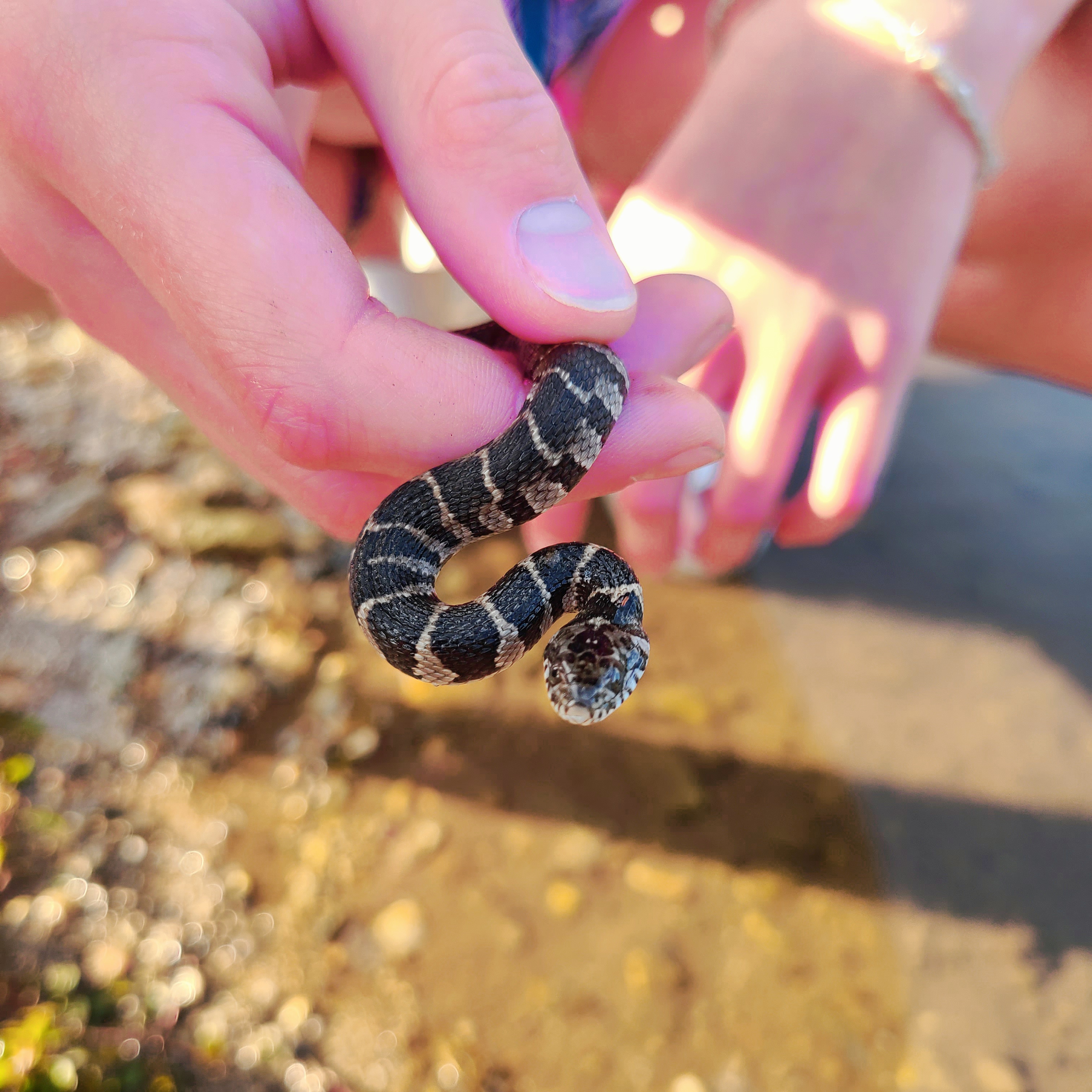
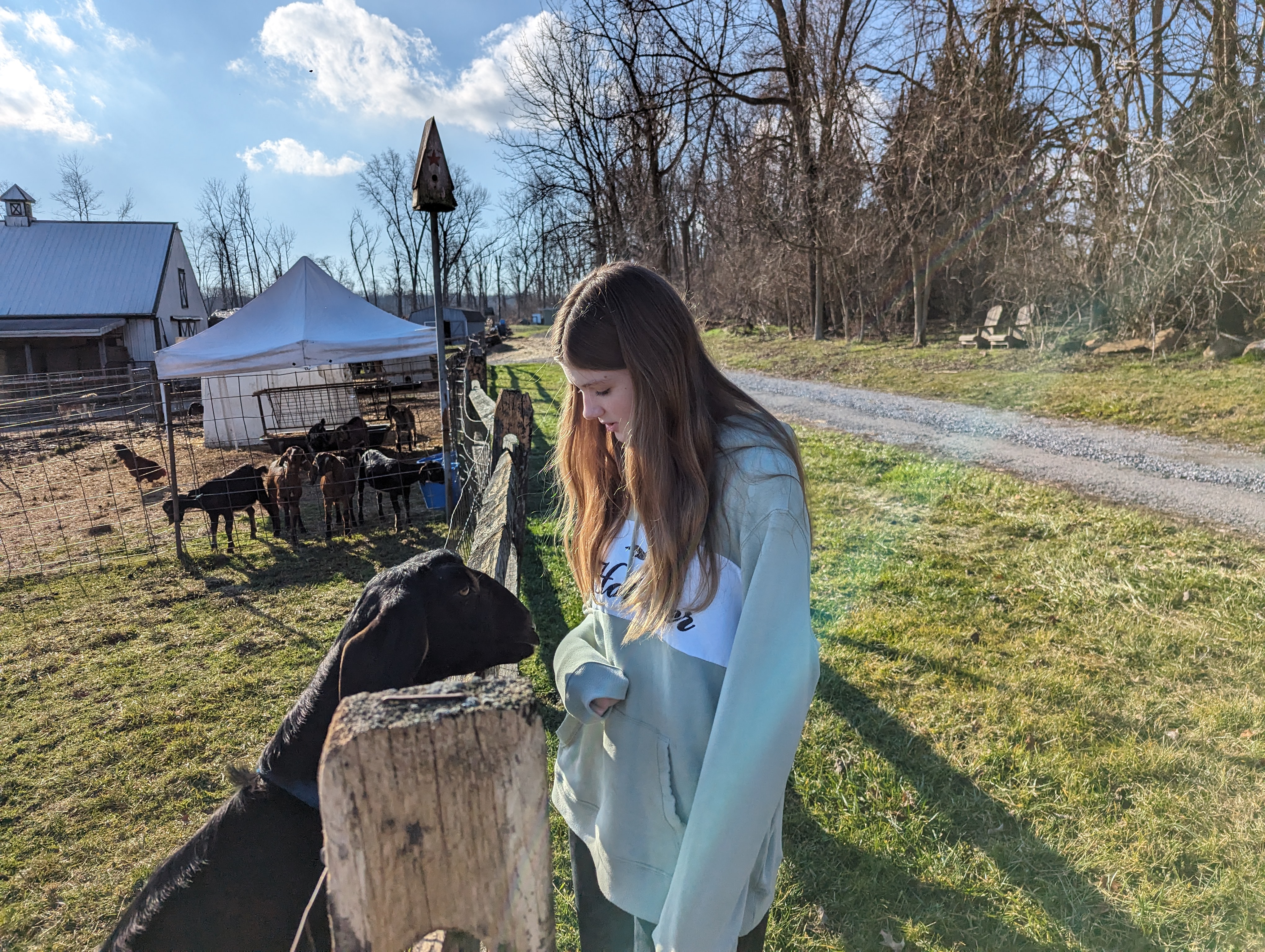
It was never just horses. Lily has spent her entire childhood going after whatever animal was out there to be found. Fishing trips where she was the one knee-deep in the water looking for turtles. Afternoons in the field tracking down snakes. Every creature she found, she picked up, studied, and set back down better understood than before. Not everyone is built that way. She always has been.
At some point she decided that loving animals wasn’t enough — she needed to understand them. She sat down and began writing her own encyclopedia. Species by species, she produced ten-page research papers on each one: horses by breed, dogs by breed, reptiles, amphibians — a full binder of original, self-driven research that she wrote over the course of years. Not for school. Not for a grade. Because she wanted to know, and knowing was not enough, so she wrote it down.
She has also been part of the harder moments that most people never witness. A snake tangled in plastic netting — she removed it carefully, bandaged it. A chicken with a cut foot — she cleaned and dressed the wound. Dogs in medical emergencies, animals injured, animals in crisis — she has been present for all of it, and she has never flinched. She has witnessed animals being born and animals dying and she has understood both for what they are: the honest, unsparing reality of a life devoted to caring for living things.
Most veterinary students spend years collecting these experiences. Lily walked in the door with them already in hand.
The equestrian edge
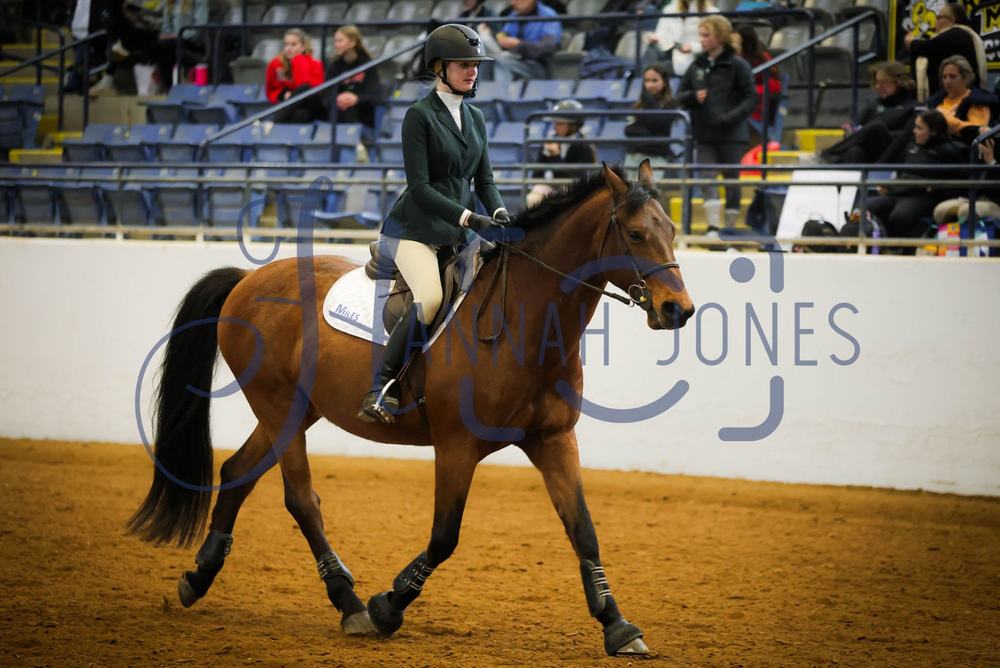
At the highest levels of equestrian sport, you do not work with a horse so much as you negotiate with one. You learn to read the tension in a neck, hear what a changed breathing pattern means, feel the difference between resistance and pain. You learn to stay calm in the moments when an animal cannot.
Lily has been doing this for most of her life. She has managed injuries on her own horses, sat with sick animals through the night, and made decisions that required both knowledge and composure. The clinical skills can be learned in a classroom. The intuition — the ability to understand what an animal cannot tell you in words — takes years to build. She already has it.
Her horses →University of Delaware
Newark, Delaware · Founded 1743College of Agriculture & Natural Resources · Department of Animal & Food Sciences
The program
B.S. in Pre-Veterinary Medicine
College of Agriculture & Natural Resources
The destination
The plan
“Pre-med at Delaware. Vet school. Her own small animal clinic.”
Four years of pre-veterinary medicine. Then veterinary school. Then her own practice — a small animal clinic she builds herself, the way she has built everything else in her life: steadily, seriously, and with complete certainty about where she is going.
“She decided in kindergarten. She wrote the research papers in middle school. She earned the ribbons in competition. And she is only getting started.”Lily Ann · Future Veterinarian · Lilyanneq.com